
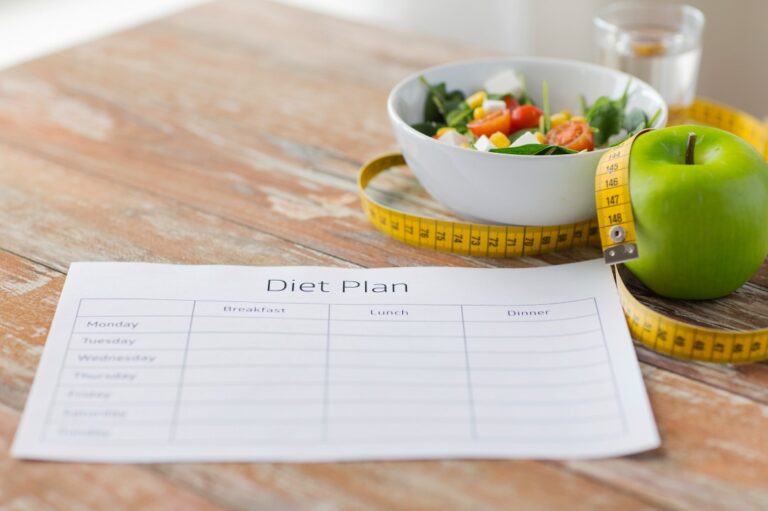
In today’s health-conscious society, many people are turning to slimming diets as a way to achieve their weight loss goals and improve overall wellbeing. With an ever-growing list of trendy plans, detox programmes, and celebrity-endorsed regimens, the concept of a “slimming” diet can be both appealing and overwhelming. But what exactly are slimming diets, and how can you choose one that’s safe, sustainable, and effective?
Key Points
- Slimming diets aim to create a calorie deficit to promote fat loss
- A balanced diet with whole, nutrient-rich foods leads to sustainable results
- Fad diets that restrict entire food groups can cause nutritional imbalances
- Exercise complements slimming diets by supporting metabolism and muscle mass
- Enjoyment, flexibility, and realistic expectations are key to long-term success
- The ultimate goal is to build lasting healthy habits, not short-term fixes
What Are Slimming Diets?
Slimming diets are structured eating plans designed to reduce body weight, often by limiting calorie intake, increasing nutrient-dense foods, and encouraging better portion control. These diets can vary greatly in terms of food choices, timing, and philosophy, but they generally aim to create a calorie deficit so the body burns stored fat for energy.
Some slimming diets focus on reducing carbohydrates, others prioritise lean protein, while some encourage high fibre intake or plant-based eating. The key to success often lies in finding a diet that matches your lifestyle, health needs, and long-term goals.
The Importance of a Balanced Diet
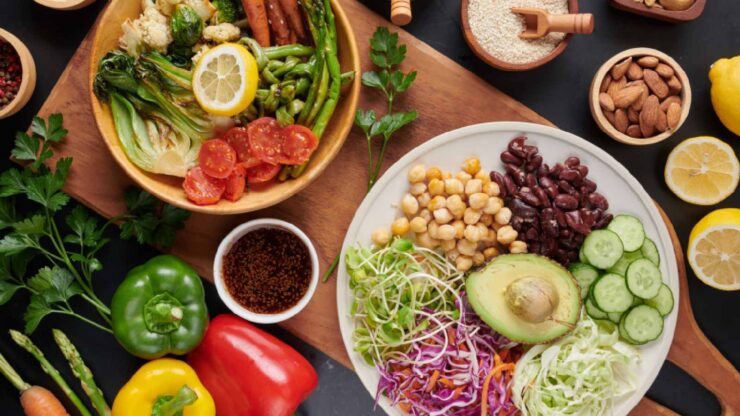
While quick fixes may deliver short-term results, sustainable weight loss is best achieved through a balanced, nutrient-rich diet. This means including a variety of whole foods: vegetables, fruits, lean proteins, healthy fats, and complex carbohydrates. Reducing processed foods, sugary drinks, and excessive saturated fats can help your body function optimally while shedding excess weight.
Slimming diets that cut out entire food groups or promote extreme restrictions should be approached with caution. Nutritional deficiencies, slowed metabolism, and rebound weight gain are common issues with such plans. A well-rounded slimming approach, on the other hand, supports both physical and mental health.
Recognising Diet Fads vs. Real Nutrition
In the world of slimming, not every diet that’s popular is actually healthy. Many plans promise fast results through extreme methods – low calories, strict rules, or “miracle” ingredients. These may bring quick weight loss, but often at the cost of your long-term health or relationship with food.
Watch out for these red flags in diet plans:
- “Lose 10kg in a week” claims – unsustainable and potentially unsafe
- Cutting out entire food groups (like carbs or fats) without medical guidance
- Overemphasis on meal replacements or supplements as a core strategy
- No flexibility or “cheat” allowance – real life needs room for balance
- Celebrity endorsements over evidence-backed guidance
A smart slimming plan focuses on education, balance, and what your individual body needs – not just what’s trending online.
Creating a Calorie Deficit
At the heart of most slimming diets is the principle of a calorie deficit – consuming fewer calories than the body expends. This doesn’t necessarily mean eating tiny portions or skipping meals. Instead, it’s about making smart swaps: choosing grilled chicken over fried, or fresh fruit instead of a high-sugar dessert. Small changes add up over time and help create a manageable and consistent deficit.
Tracking your intake, either through apps or food diaries, can be useful in the early stages of a slimming diet. It raises awareness of eating habits and can highlight hidden sources of extra calories, such as dressings, drinks, or snacks.

Comparing Popular Slimming Diet Approaches
There’s no one-size-fits-all slimming diet. Here’s how some of the most common ones compare in terms of structure and goals:
| Diet Type | Main Focus | Best For |
| Low-Carb (e.g. Keto) | Reduces carbs to increase fat burn | Quick initial weight loss |
| Intermittent Fasting | Limits eating to certain hours | People who prefer time structure |
| Mediterranean | Whole foods, healthy fats | Heart health + sustainable eating |
| Calorie Counting | Tracks intake for deficit | Precision and habit awareness |
| Plant-Based | Focus on fibre and veggies | Ethical or digestive preferences |
Choosing a slimming plan that fits your preferences and lifestyle increases your chances of sticking with it long term.
The Role of Exercise in Slimming
While diet plays the primary role in weight loss, combining it with regular physical activity enhances results. Exercise supports muscle retention, boosts metabolism, and improves mood and energy levels. Even simple changes – like walking daily or taking the stairs – can make a difference when paired with mindful eating.
Strength training, in particular, is beneficial because it helps build lean muscle mass, which burns more calories at rest. A blend of cardio, strength, and flexibility exercises creates a well-rounded routine that complements most slimming diets.
Overcoming Common Challenges
Many people struggle to maintain slimming diets due to social pressures, emotional eating, or unrealistic expectations. It’s important to set achievable goals and remember that progress isn’t always linear. Plateaus are normal, and occasional indulgences won’t undo long-term habits.
Planning meals ahead, having healthy snacks available, and learning how to enjoy treats in moderation can help maintain motivation and prevent feelings of deprivation. Support from friends, family, or online communities can also be a source of encouragement.

Finding Enjoyment in Food
One of the most common misconceptions about slimming diets is that they must be bland or boring. In reality, many weight-friendly meals are packed with flavour and satisfaction. Spices, herbs, and smart ingredient substitutions can turn simple dishes into exciting meals.
There are also creative ways to enjoy desserts while staying on track. For those who love sweet treats, incorporating low-calorie, low-sugar alternatives into your plan can make dieting more enjoyable. Many websites offer recipe inspiration that aligns with slimming diets, helping you satisfy cravings without compromising your goals. If you’re looking for dessert ideas that support your healthy eating plan, this collection of slimming diets recipes is a great place to start.
Making It a Lifestyle, Not a Phase
The ultimate goal of any slimming plan should be to build habits that last beyond the initial weight loss phase. Rather than viewing a slimming diet as a temporary fix, consider it a step towards a healthier, more mindful relationship with food. This approach reduces the likelihood of regaining weight and supports long-term wellbeing.
With patience, realistic expectations, and the right resources, slimming diets can be both effective and empowering. By focusing on balance, variety, and enjoyment, you can achieve your goals and feel good doing it.